VIN cloning — South Africa's biggest vehicle fraud
VIN cloning is when a criminal takes a stolen vehicle and gives it the identity of a legitimate vehicle by copying its VIN number. The cloned vehicle looks legitimate on paper. Police seize cloned vehicles from innocent buyers with no compensation. VIN cloning is a real, ongoing problem in South Africa, with Hilux, Polo and Ranger consistently among the most-targeted models for theft and cloning alike.
If SAPS identifies the vehicle you purchased as a stolen clone, they will seize it immediately. You have no legal recourse against the state. Your only recourse is civil action against the seller — who is usually untraceable. This is why VIN verification is the single most important check on this list.
The 3-point VIN verification process
Location 1 — Dashboard VIN plate
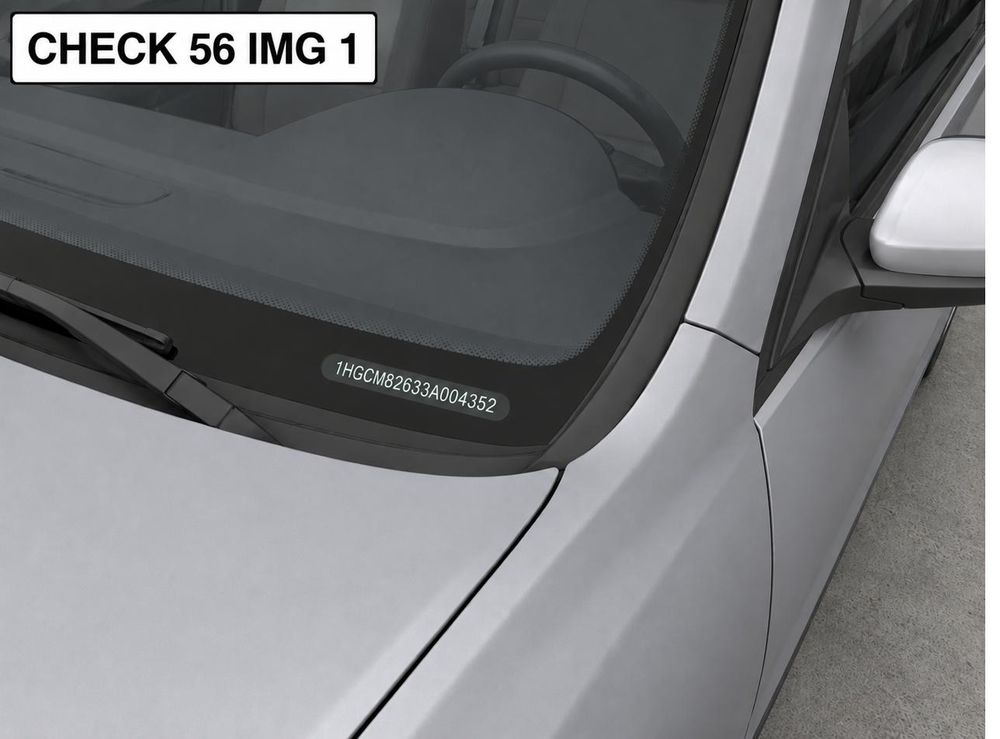
Stand outside the car on the driver's side. Look through the lower left corner of the windscreen. A small metal plate with the 17-character VIN is visible without opening the car. Photograph it through the glass.
Location 2 — Engine bay stamp
Open the bonnet. Look for a VIN stamped directly into the metal of the firewall (the bulkhead between engine and cabin) or on a chassis rail. This is stamped into the metal — not a plate that can be removed and swapped. Photograph it.
Location 3 — NaTIS certificate
Ask the seller for the NaTIS certificate (the government registration document). The VIN is printed on the certificate. Compare all three against each other.
All 17 characters must match across all three locations. Every single one.
Reading a VIN number
A VIN has 17 characters in a specific structure. The first three characters are the World Manufacturer Identifier — this identifies the manufacturer and country of manufacture. Characters 4–8 describe the vehicle. Character 9 is a check digit. Characters 10–17 are the unique serial number for that specific vehicle. If even one character differs between the three locations, you are looking at a cloned vehicle.
What to do if VINs don't match
Walk away immediately. Do not confront the seller aggressively — leave the viewing, then report the vehicle to SAPS and the SA Police's Vehicle Crime Unit. You can also report to the NaTIS helpline. Provide the registration number, the VIN you found, and the seller's contact details if you have them.
Two minutes and three photos
VIN verification takes two minutes and three phone photos. It costs nothing. It could save you the entire purchase price and a police investigation. Do it on every car, every time.
Frequently asked questions
Get the Top 10 Critical Checks PDF — free
The 10 checks where SA buyers lose the most money. Print it. Take it to the viewing.
NaTIS documents, roadworthy, service history and outstanding finance — the Documents Inspection Guide walks through every check that protects you from a paper-only scam.
Get the Documents Inspection Guide — R75 →This guide is general information for South African motorists, not legal advice. NaTIS records, VIN data and legal definitions can change or vary by case. Always verify current status directly with NaTIS/eNaTIS or a qualified attorney before relying on this information.